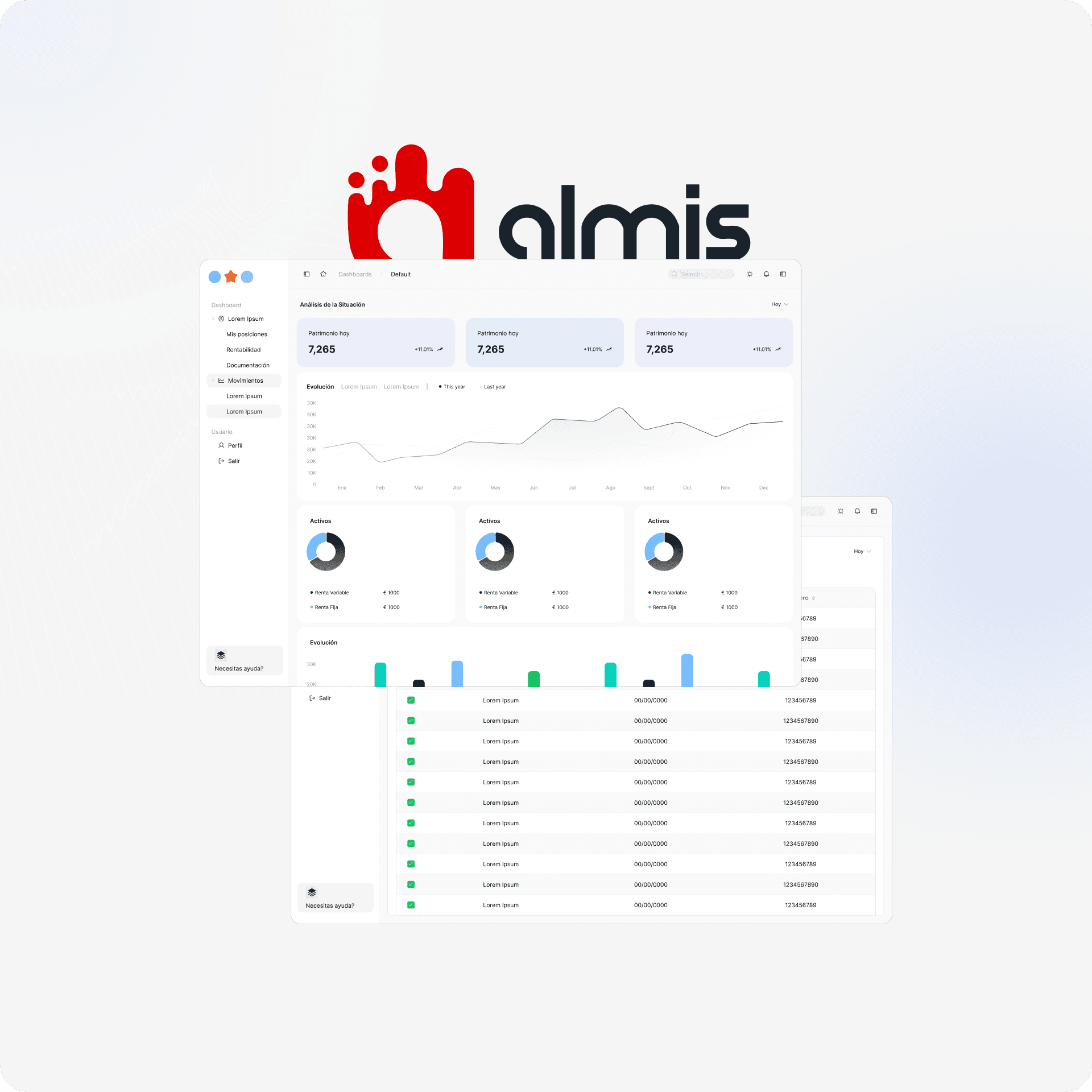
Almis is a B2B financial ecosystem designed for modularity and scalability. The platform functions as a white-label solution, allowing companies to acquire the software and tailor it to their specific operational needs. Brought in to diagnose and resolve deep design debt on Almis, a fintech / accounting SaaS already in production. In under 3 months, I audited the full product, identified four critical structural issues — visual inconsistencies, confusing flows, missing component library, and lack of dev handoff documentation — and resolved all of them. Delivered a complete design system and worked directly with the engineering team to ensure every change was implemented in production, not just documented in Figma.
Year
2026
Client
Almis
4
Structural design problems resolved in a single engagement
3 months
Full design audit + system delivery + production implementation
0 → 1
Design system introduced to a fintech product with no prior guid
Live
Changes shipped to production — not just delivered as specs
Approach
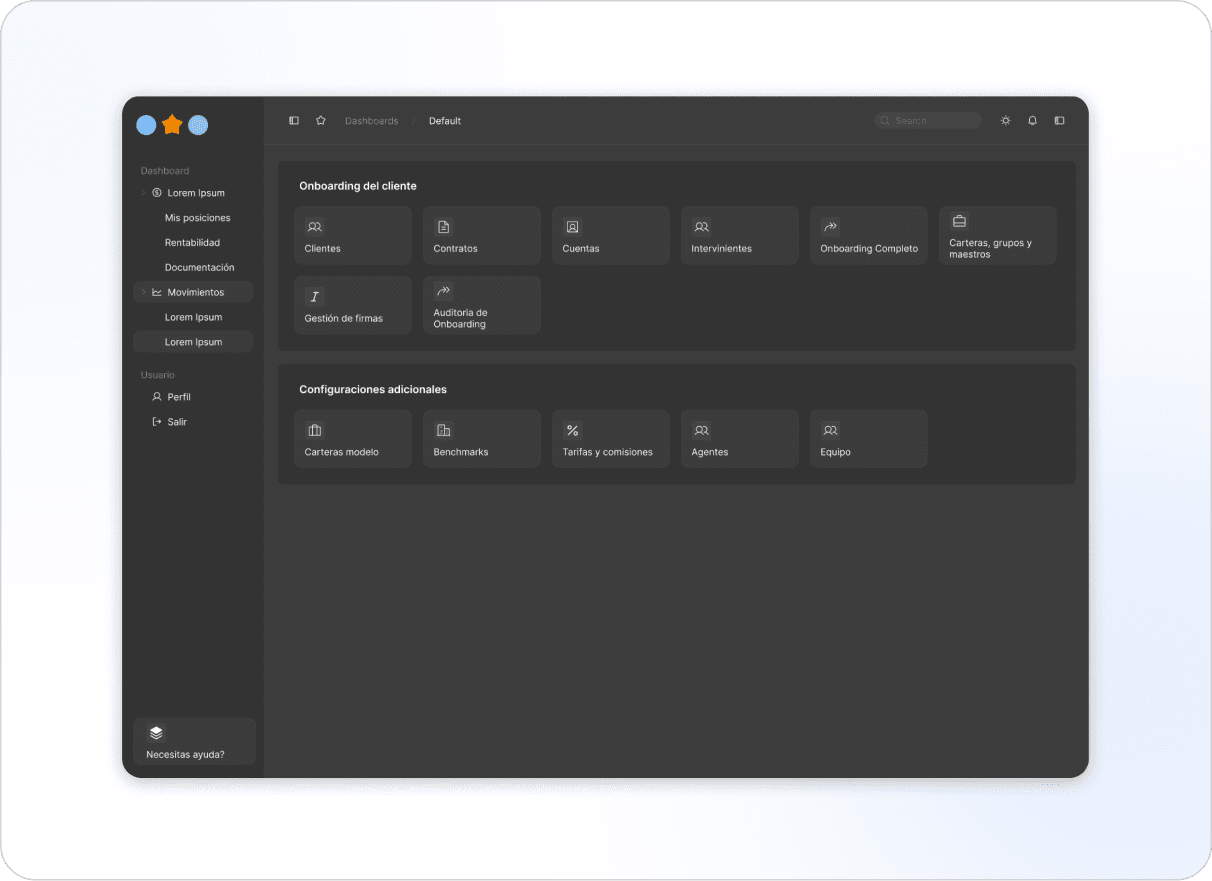
My approach centered on building a design system that balances flexibility with consistency. I focused on creating a 'plug-and-play' architecture where features can be toggled on or off without disrupting the user flow. The goal was to deliver a high-end financial tool that feels like a bespoke product for every company that adopts it.
. Audited and redesigned a live fintech SaaS (accounting platform), resolving 4 structural UX/UI issues in under 3 months
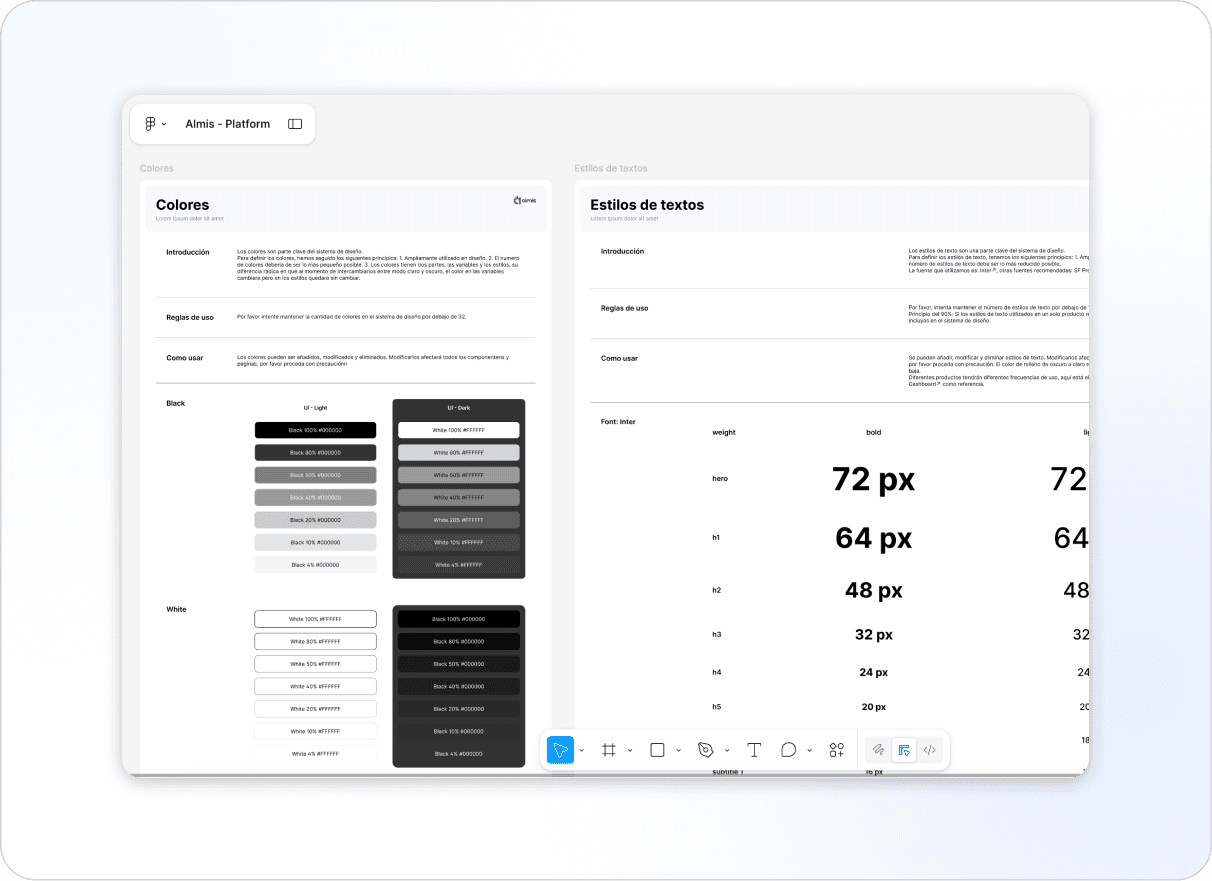
· Introduced a design system from scratch — components, tokens, and dev handoff guidelines — where none existed
· Worked directly with the engineering team to ship all changes to production, ensuring design-to-dev fidelity
· Delivered measurable visual consistency improvements, validated by explicit client satisfaction
Research and Discovery
The discovery phase involved analyzing the diverse requirements of potential corporate clients. I conducted a competitive audit of fintech platforms to identify the essential financial modules—such as liquidity management, payroll, and reporting—that needed to be adaptable. This phase established the technical constraints and the modular logic required for a multi-tenant software.
User Research and Insights
Through interviews with financial managers and stakeholders, I discovered that the primary pain point was the complexity of traditional banking software. The key insight was that while companies need power, they value simplicity and branding alignment. Users required a system that could reflect their corporate identity while providing a frictionless experience for their internal teams.
Design Process
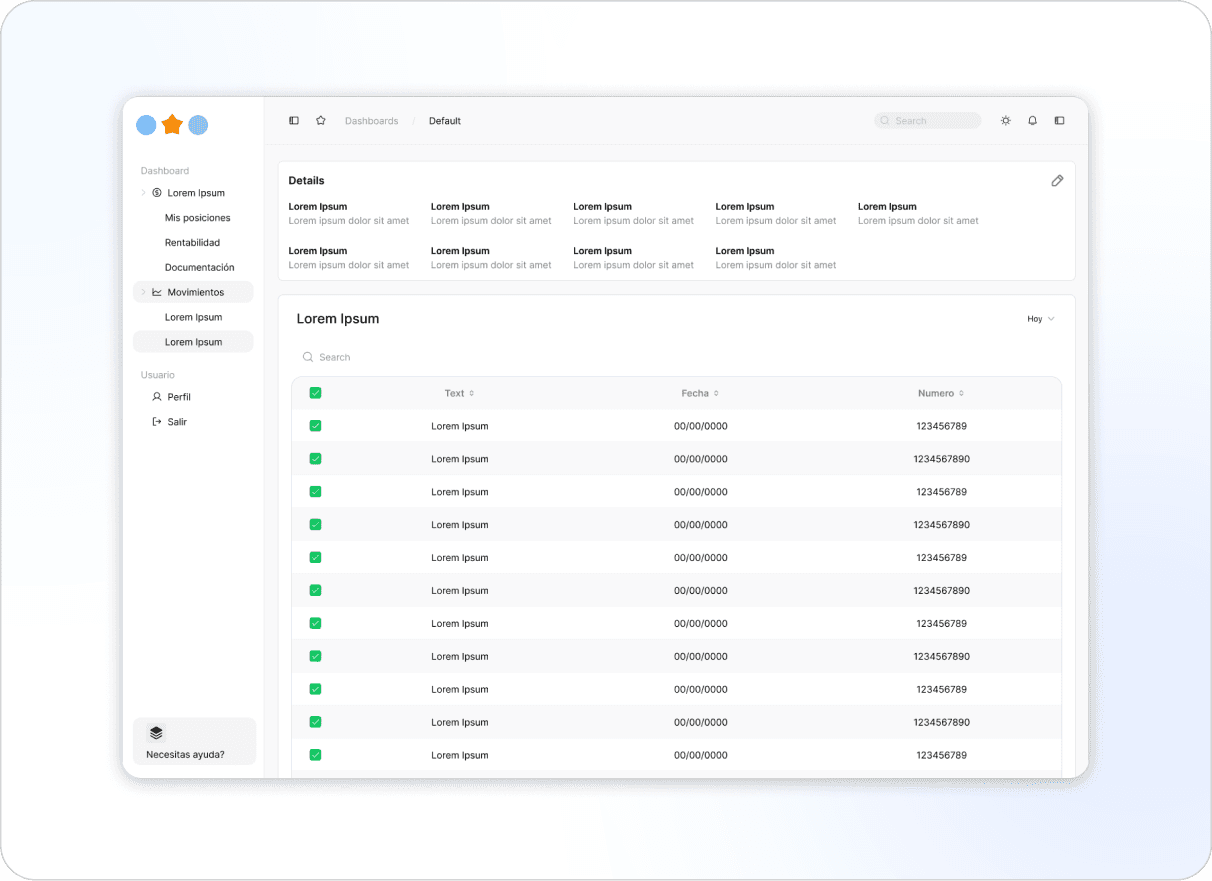
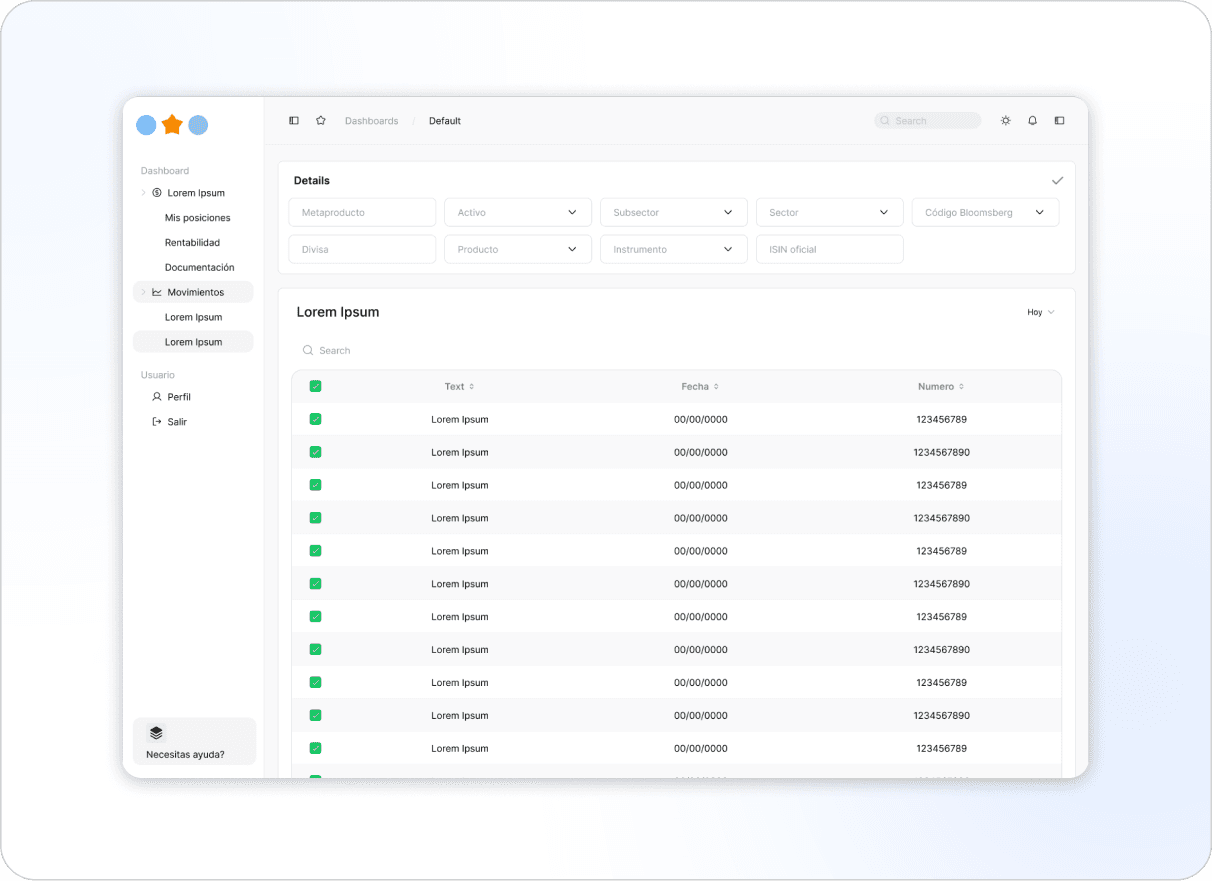
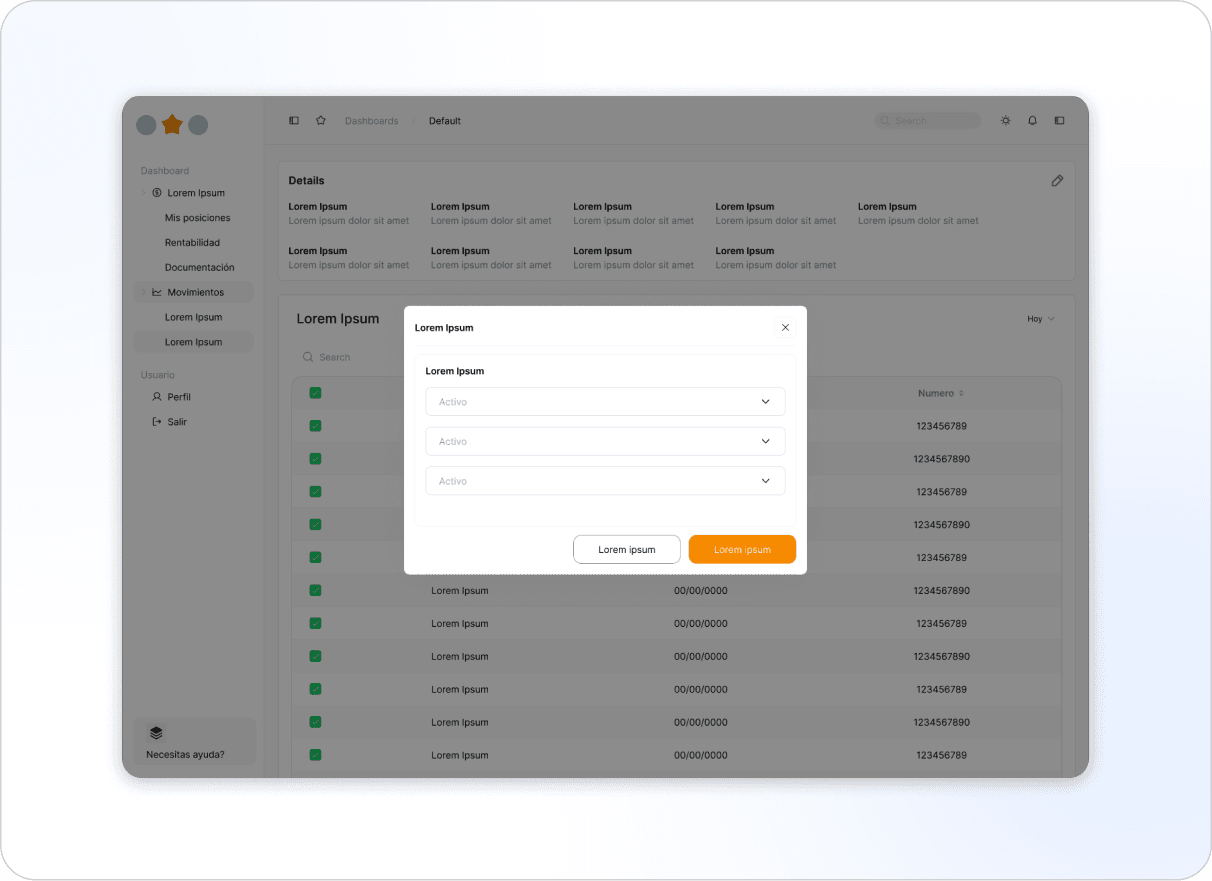
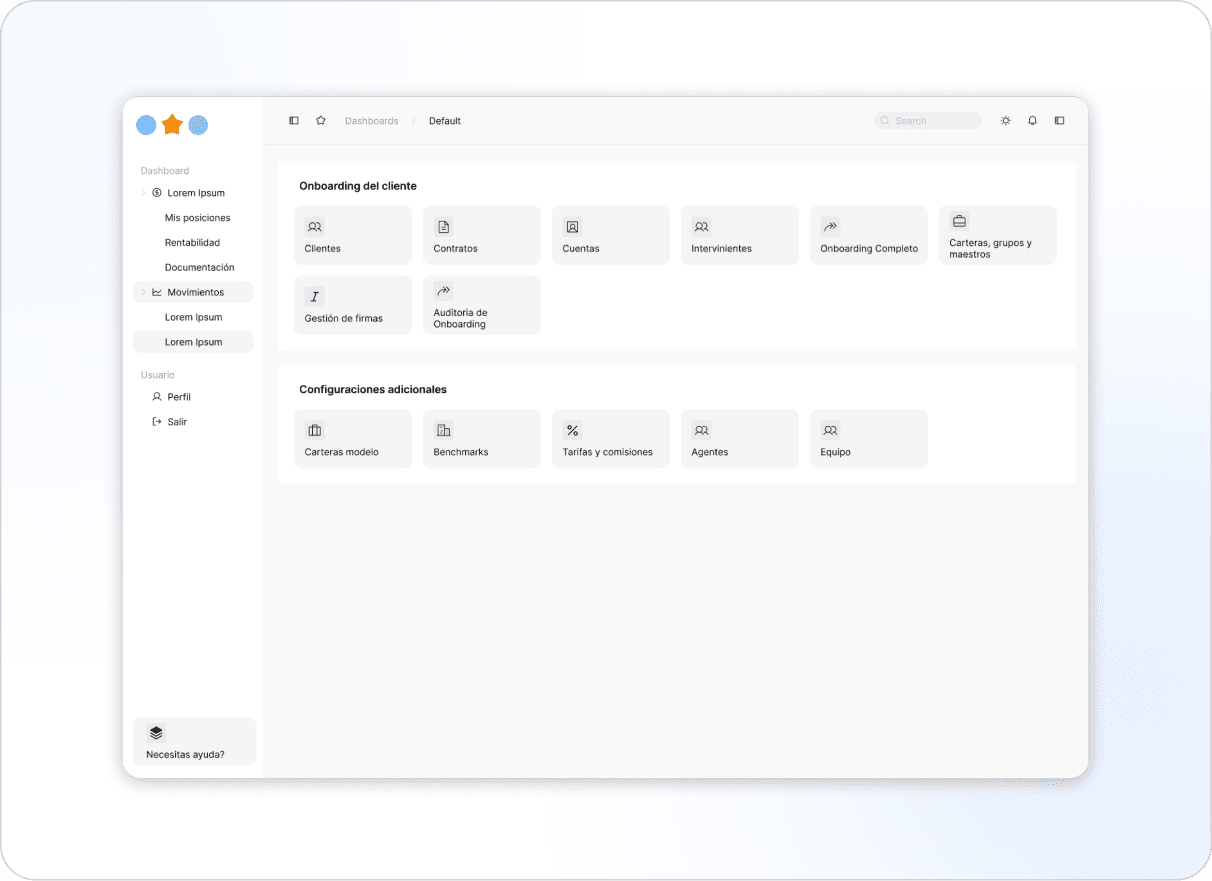
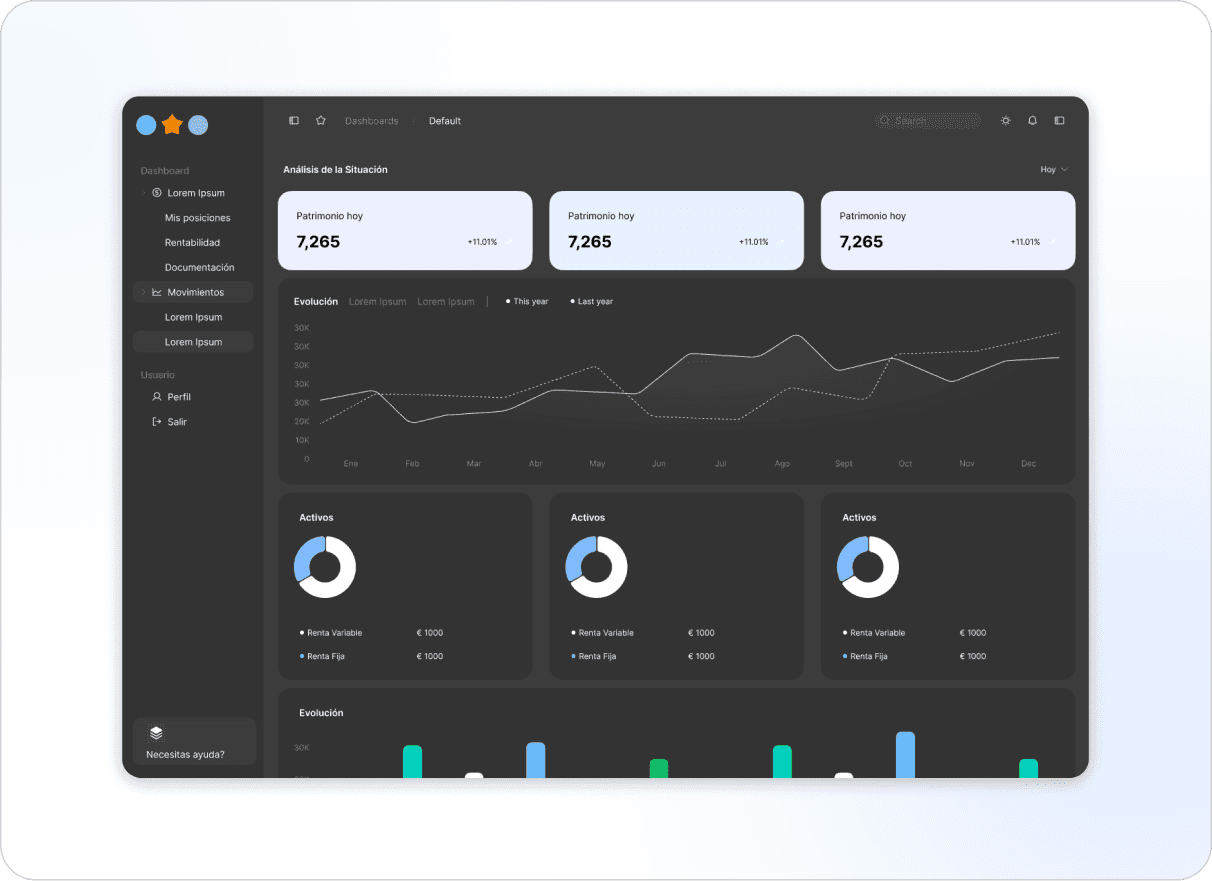
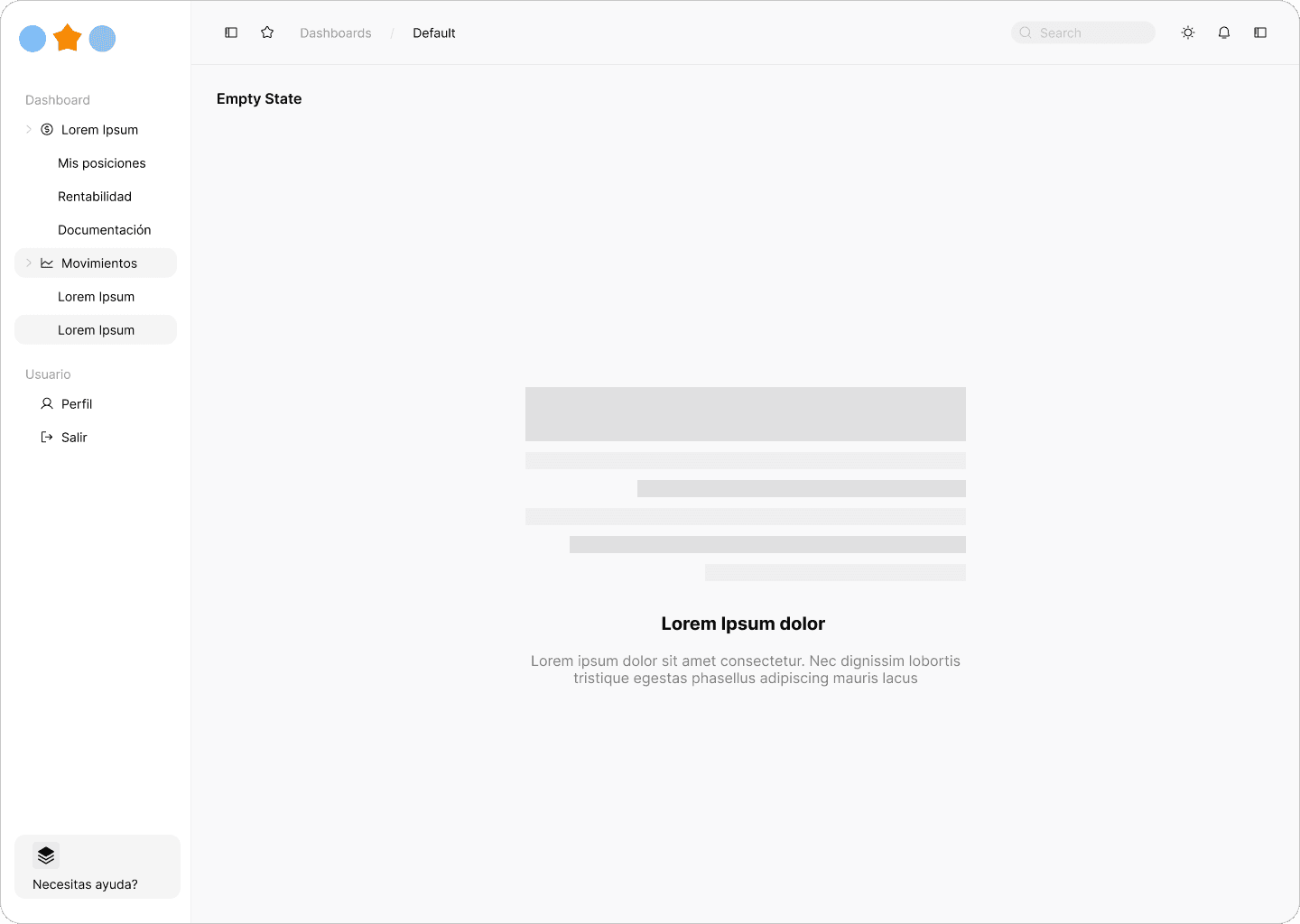
I developed a comprehensive design system with a focus on 'dynamic theming.' This involved creating a foundation of neutral UI components that could easily inherit client-specific colors and typography. I mapped out the entire user journey for multiple scenarios, ensuring that the interface remained intuitive even when specific features were deactivated, maintaining a clean and organized workspace.
Key Features
Modular Dashboard: A customizable interface where administrators can activate or hide sections based on their specific business requirements.
White-Label Customization: A seamless branding engine that allows for deep personalization of colors, logos, and corporate information.
Integrated Support Hub: A dedicated customer service module designed to facilitate direct communication and technical assistance.
Smart Financial Modules: Scalable tools for asset management and transaction tracking, optimized for both high-level overviews and granular data analysis.
Testing and Refinement
To ensure the platform's versatility, I performed stress tests on the UI by applying various contrasting brand identities and module configurations. This allowed me to refine the spacing and hierarchy to prevent visual breakage. Feedback from beta users led to the optimization of the 'toggling' experience, making the transition between different active features feel cohesive and intentional rather than fragmented.