At LevelAds, I learned a lot about managing desktop projects in a short amount of time. It taught me how to organize my time and make it more effective while maintaining excellent results. This led me to take on freelance projects, allowing me to carry them out from start to finish alongside the client and their end user's needs. You can see the full projects on Behance
Year
2022
Client
LevelAds
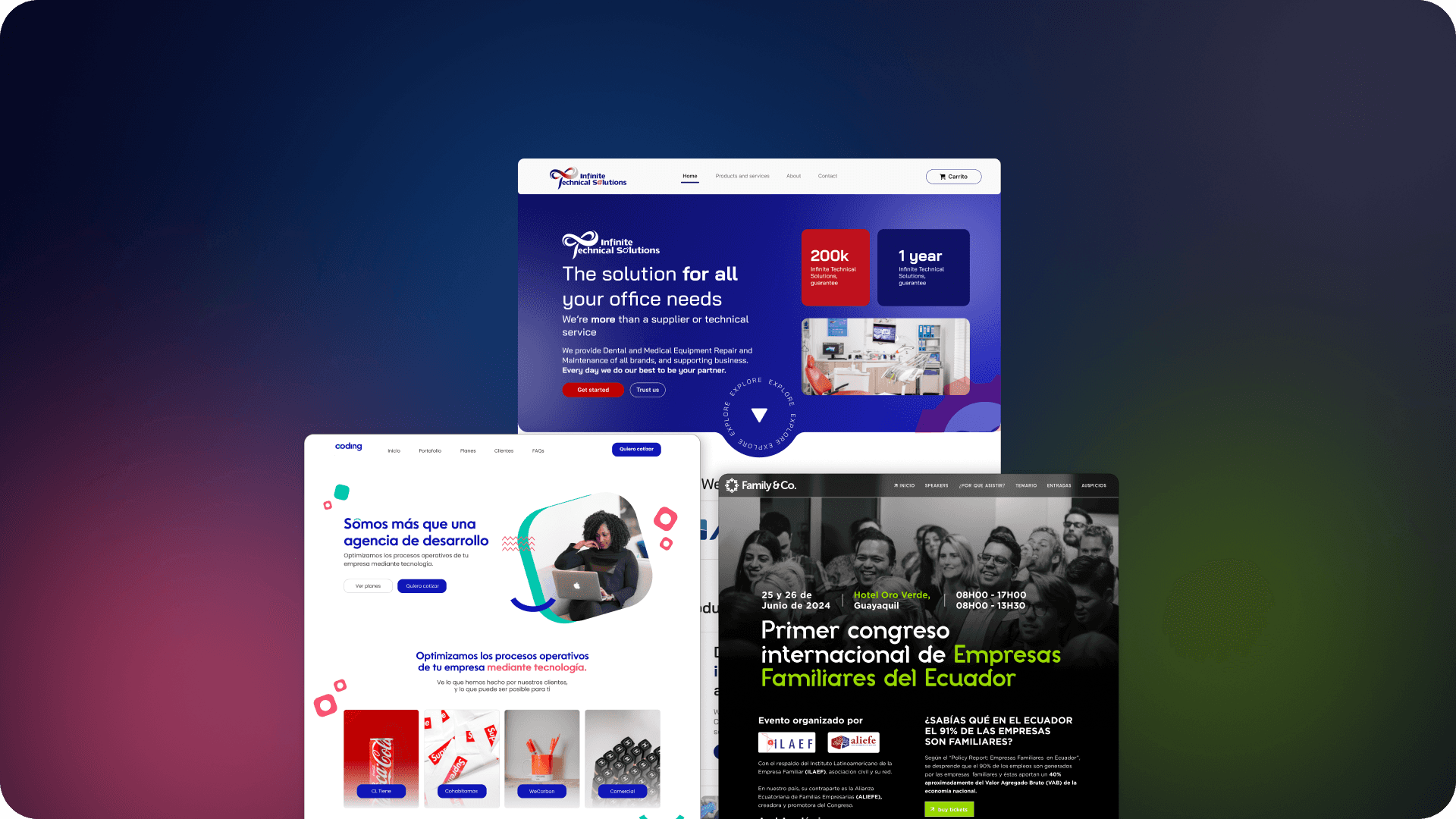
+20
Projects delivered — landing pages, sites, e-commerce and redesigns
5 types
Output variety: landings, full sites, e-commerce, redesigns, graphics
~1/wk
Average delivery pace — fast iteration under real client pressure
CEO+
Direct collaboration with agency CEO, managing multiple client relationships and briefs simultaneously
Approach
During my time at LevelAds, I was able to create many Landing Pages and E-commerces with a defined and implemented design process to repeat and iterate in case something didn't quite work. Here, I showcase only the visual aspect of the work done in communicating with the client, understanding them, and translating their ideas into an intuitive and usable platform for their end user. The design process for creating these landing pages begins with thorough research and goal definition, understanding the target audience, and analyzing competitors.
Research and Discovery
Every project at LevelAds began with a deep dive into the client’s ecosystem. I conducted thorough market research to align business goals with user expectations, identifying key pain points through competitor benchmarking and audience profiling. This phase was crucial to defining a clear roadmap, ensuring that every design decision was rooted in data rather than mere aesthetics.
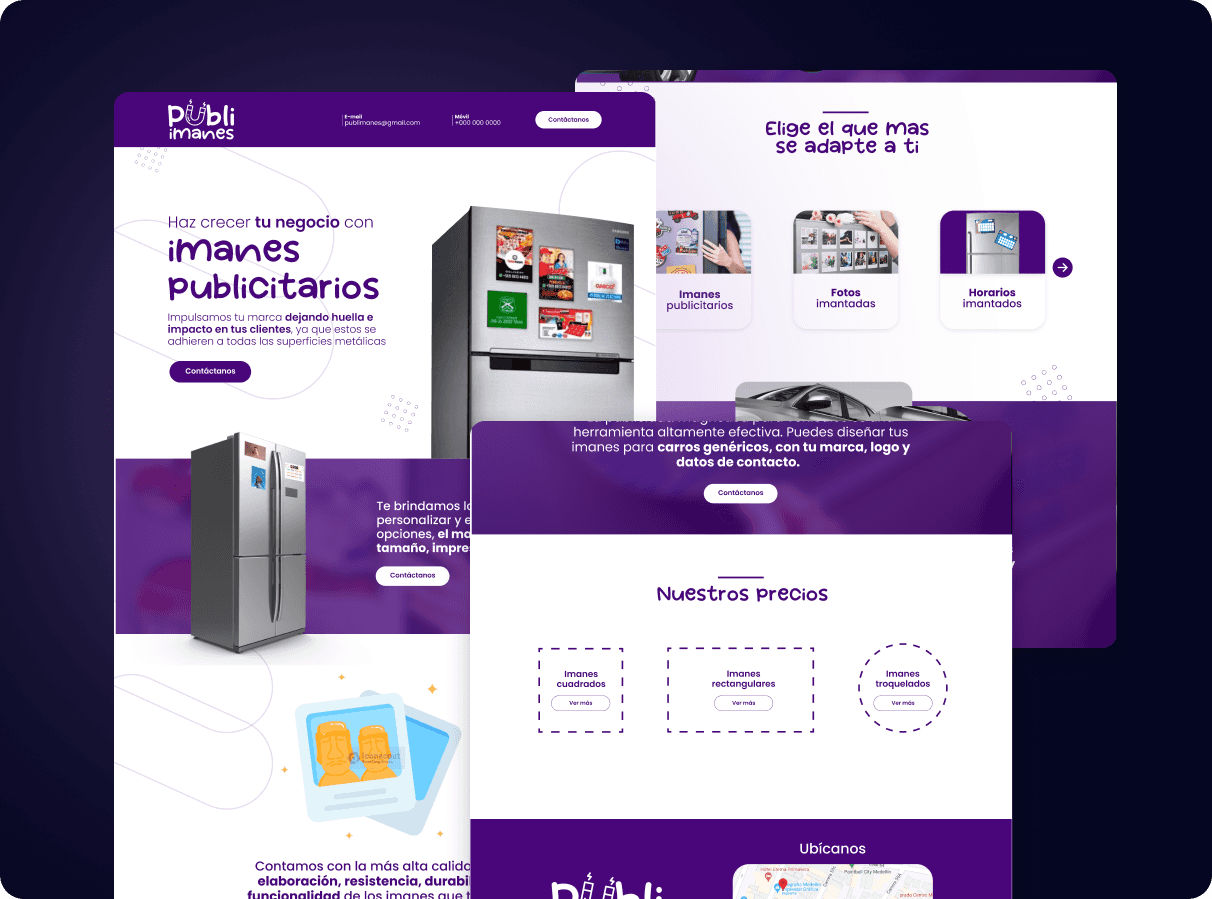
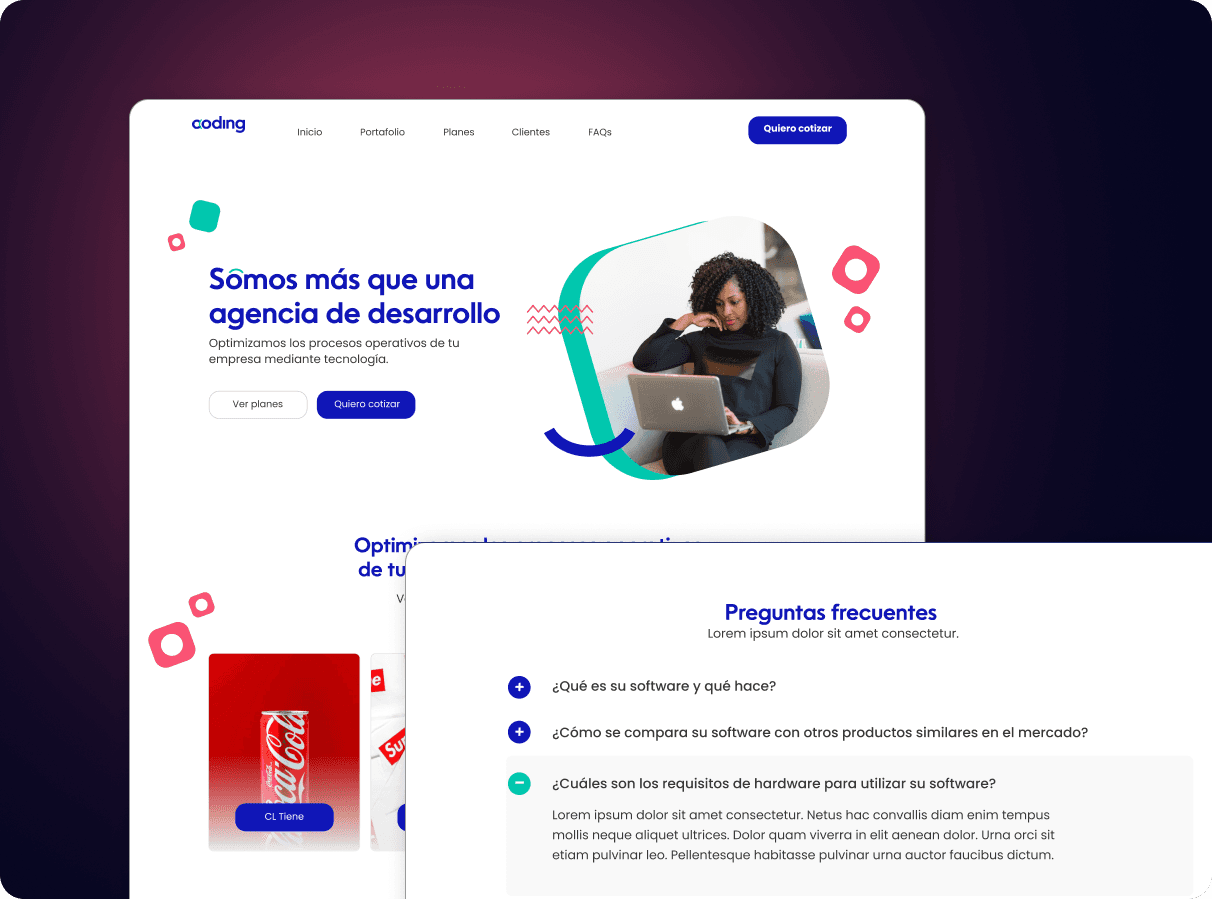
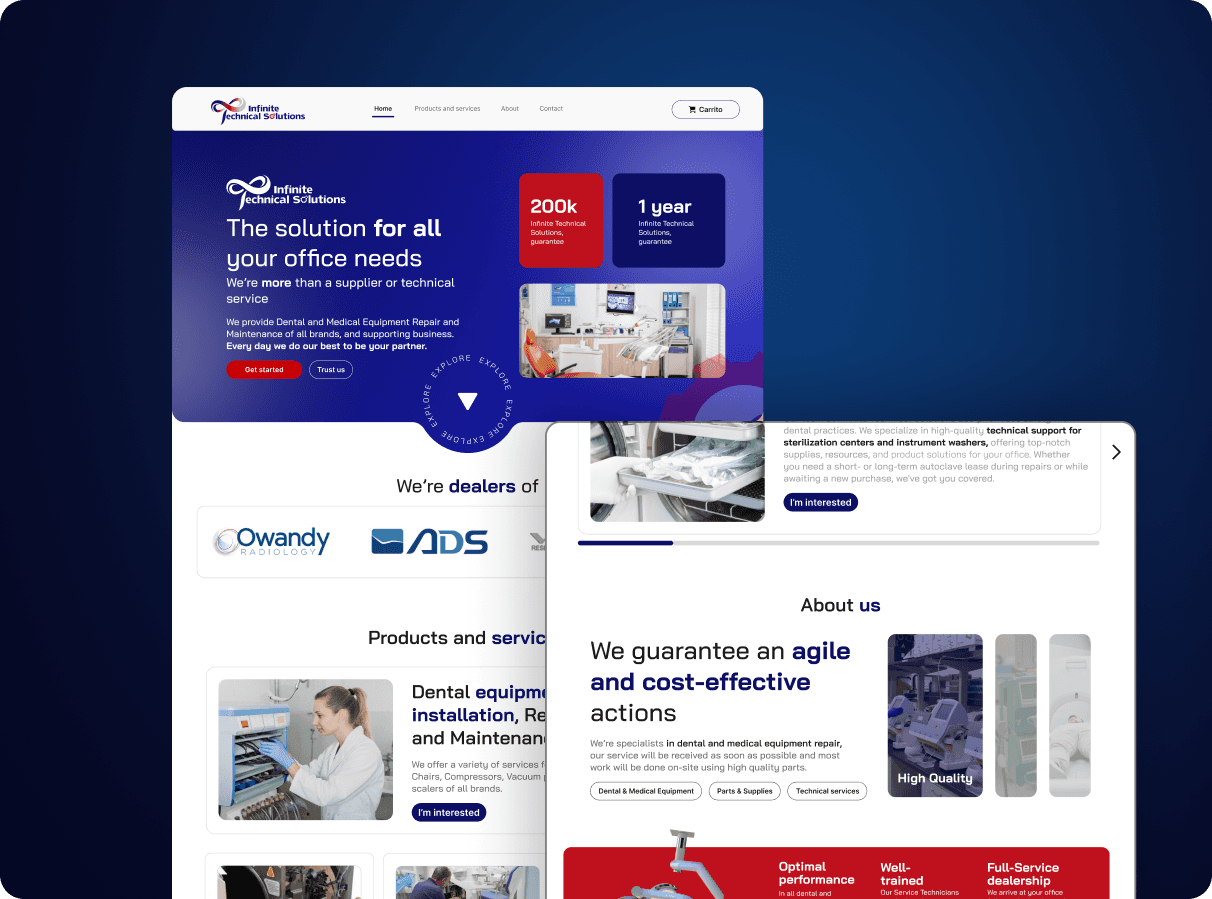
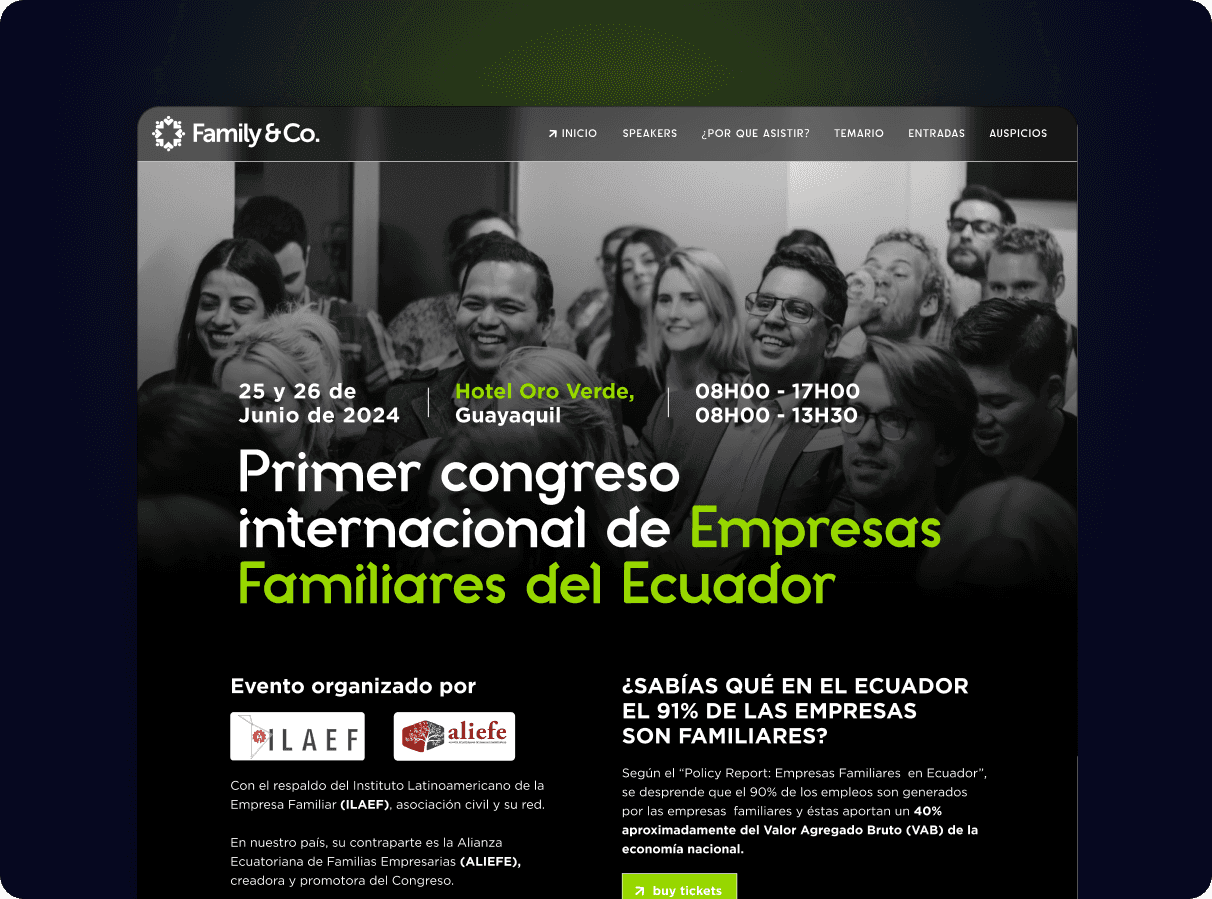
User Research and Insights
Plan and strategize content by organizing information hierarchically and defining key messages and CTAs. Sketches and wireframes are created, evolving into detailed visual designs. Help to optimize content and SEO, conduct usability tests, and perform A/B testing to refine the design based on user feedback.
Design Process
I implemented a structured, iterative workflow designed for scalability. Starting from low-fidelity wireframes to map out the user journey, I progressed to high-fidelity prototypes where the brand’s visual identity was fully integrated. This process allowed for constant feedback loops with the client, ensuring that the transition from a conceptual idea to a functional landing page was seamless, intuitive, and technically viable
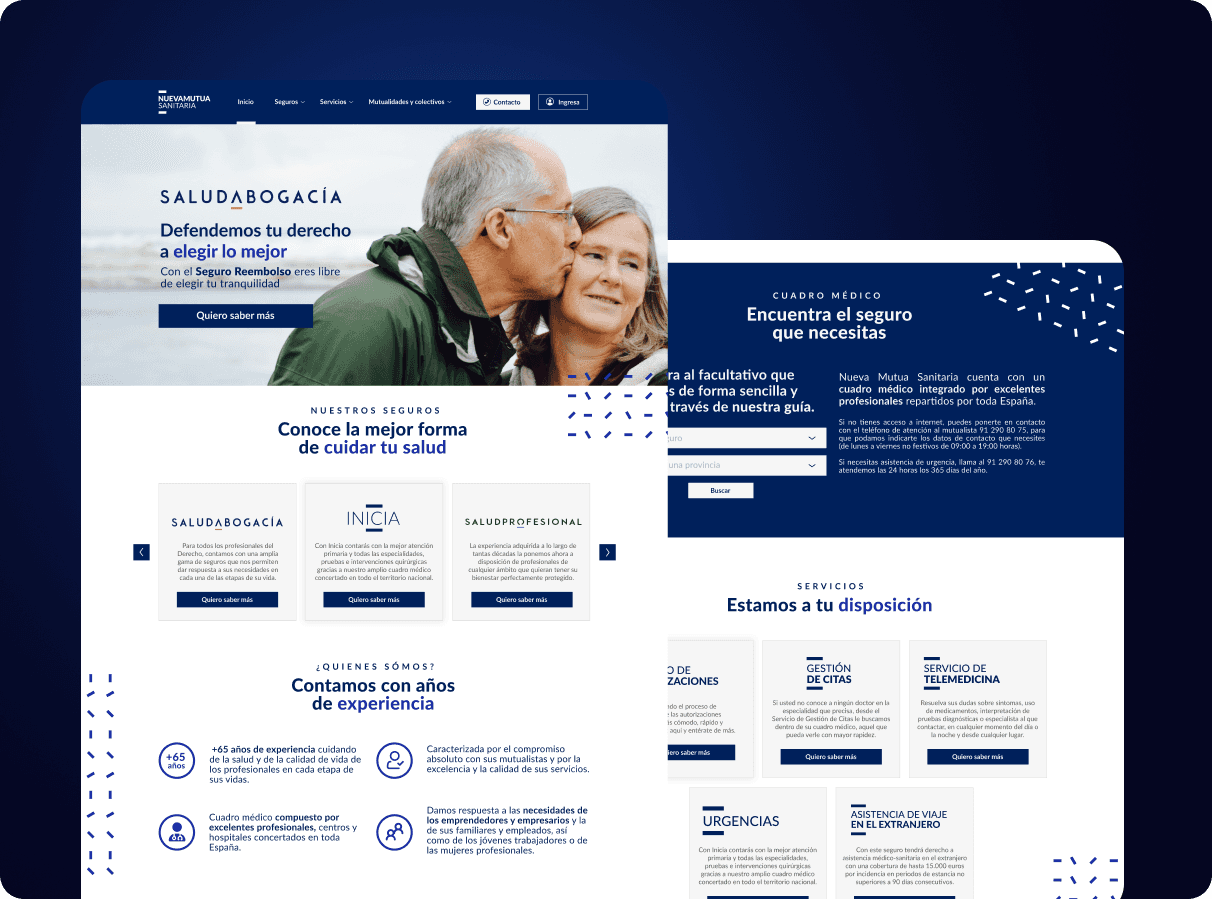
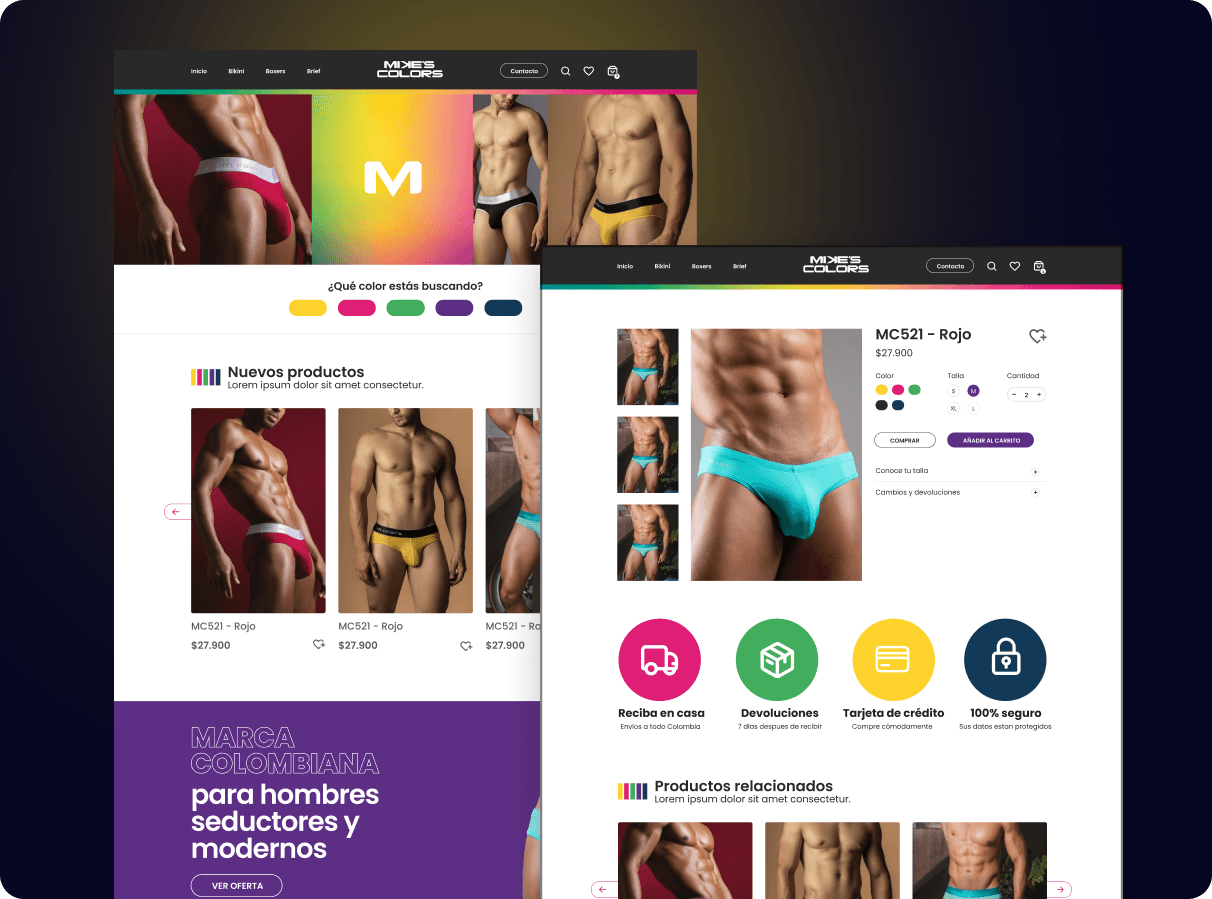
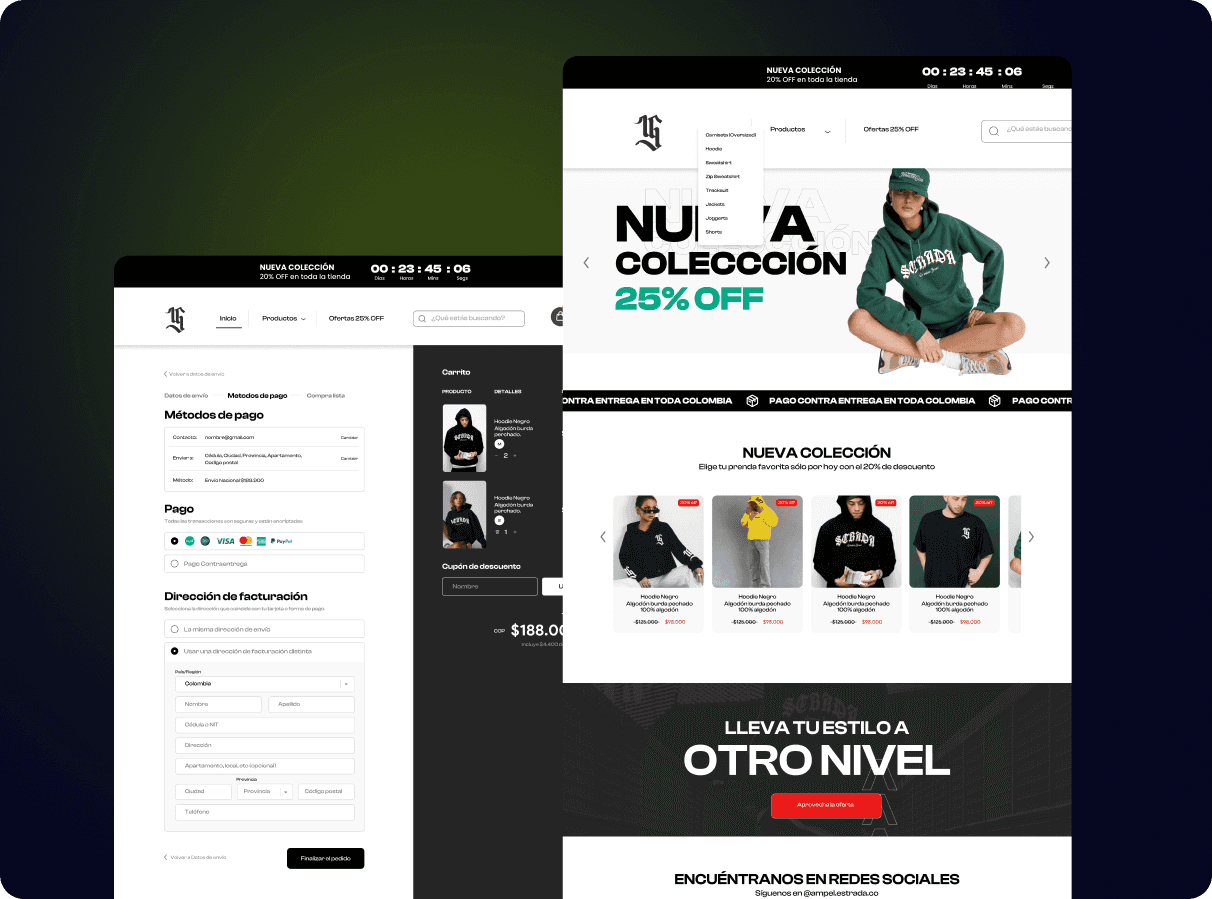
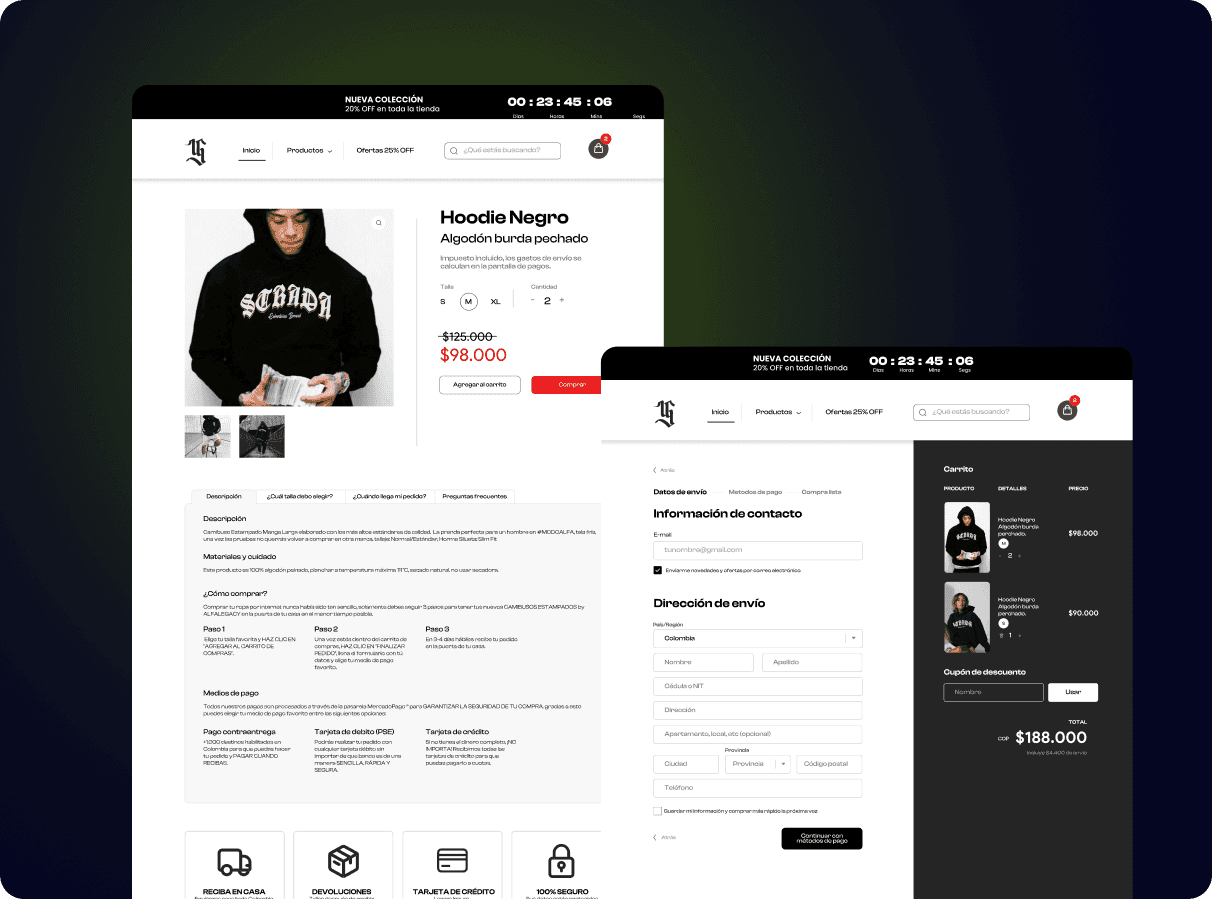
Key Features
Conversion-Optimized Layouts: Strategically placed UI elements and clear hierarchies designed to guide the user toward specific business objectives.
Responsive & Adaptive Systems: A mobile-first approach ensuring a consistent and high-performing experience across all devices and screen sizes.
Intuitive Navigation Flows: Streamlined information architecture that reduces cognitive load, allowing users to find information and complete transactions effortlessly.
Visual Storytelling: A cohesive graphic line that translates complex brand values into engaging, user-friendly digital interfaces.
Testing and Refinement
Finally, launch the page, monitor performance with analytics tools, and continuously optimize for the best results.